Project 07 / 08 · Mobility UX
SEAT × Anima Design
Client
SEAT Innovation & Anima Design
Role
Interaction & Service Designer
Sector
Automotive / Gen Z Digital
Year
2021
Role
Interaction and service designer.
Team
Researchers and business developers from Anima Design and SEAT Innovation.
Timeframe
2021.
Methods
UX interviews (at least five), competitive analysis, information architecture, journey mapping, persona, UI design.
Outcome
A reframed mobility app for Gen Z, delivered as a full information architecture, flows and a final deck, as scoped.
The problem
Electric motorbikes were booming in Barcelona, for tourists and residents alike. SEAT Innovation and Anima Design wanted an app to connect those riders with each other and with what was going on in the city.
The existing product used outdated mechanics and a broad, undefined audience. A generation that expected more was switching off. My first job was a full critique of the product and how well it matched its audience.
My role
I was the interaction and service designer. I ran the interviews and competitive analysis, built the structure, designed the flows and wrote the final deck in SEAT's own fonts and brand style. The rest of the team were researchers and business developers.
I worked through many iterations of the app and the concept.
"Experiences empowered by community is the new mindset of mobility."
This reframed the app not around transport, but around spontaneous, shared experiences, positioning SEAT as a lifestyle connector, not just a car company.
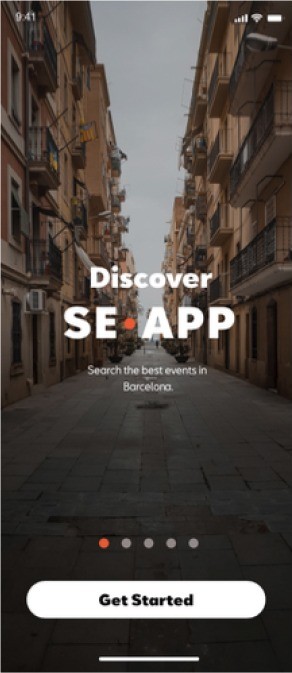
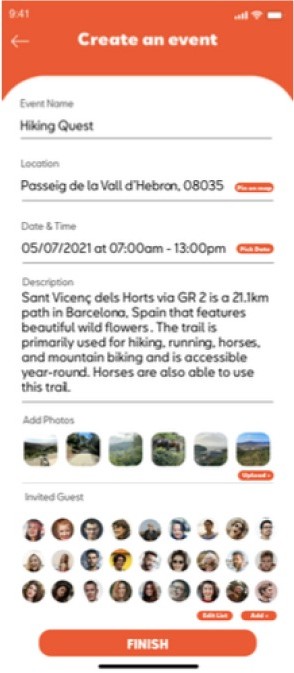
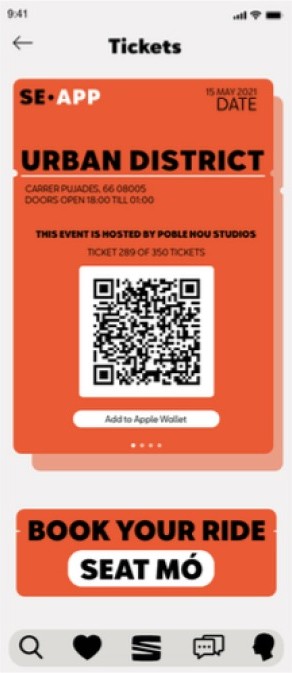
SE-APP, In Screen
Discover, create, and hold the ticket: three moments from the flow.
Key decisions
I reframed the app around connection, not transport.
The first concept was too vague and weak. When it became about connecting people through mobility, the frame changed: experiences empowered by community.
I built onboarding around an archetype quiz.
A quiz and a video-led landing page replaced a standard sign-up, so the app felt personal from the first minute.
I paced content around forgetting.
Review something just before you forget it and the forgetting curve flattens, so recall gets stronger. I spaced content to come back at those moments.
I made the feed open only after the event.
It rewards attending and gives people a reason to come back. I also mapped a Big IA and a Small IA, so every screen has to earn attention.
Information Architecture
A Big IA and Small IA, mapped so every screen earns Gen Z's attention rather than assuming it.
User Journey
Six phases from first hearing about the app to coming back for another event.
| Phase | Pre-Onboarding | Onboarding | Browse | Book | Attend | Post-Event |
|---|---|---|---|---|---|---|
| Goal | Get out of house | Feel prepared & safe | Find something exciting | Make a plan with someone | Feel part of something | Keep the momentum going |
| Touchpoints | Posters, peer referrals | App UI/UX | Event feed, filters | Event detail page | Maps, hosts | Review prompt, saved events |
| Pain Point | Doesn't know what to expect | Worries she won't fit in | Not many local Gen Z events | Nervous to commit | Language or age barrier | Falls out of habit easily |
| Emotion | Curious | Hopeful | Excited | Anxious | Surprised | Motivated |
Persona
Alex
Age 20 · Barcelona, Spain
Student · introverted but curious
Heavy phone user, prefers intuitive, visual-first apps.
Based on real people.
Goals
- Explore the city freely
- Build new friendships
- Find part-time work
Frustrations
- Feels out of place at some events
- Doesn't speak fluent Spanish
- Worries about not knowing anyone
Outcome
What I made
- ·A product critique and a value proposition
- ·A Big and Small information architecture
- ·Onboarding flows, a post-event feed and key screens
- ·The final deck
What changed
- ·The concept, structure and deck were delivered as required.
- ·Two years later SEAT wound down its MÓ scooter range, a business decision unrelated to this work.
Reflection
Barcelona was a good test case, with electric motorbikes booming and a real chance to connect riders. Building from real interviews, right through to Alex, kept the design honest and gave the concept something solid to stand on. The product line did not last, but the way of working did.